Introduction
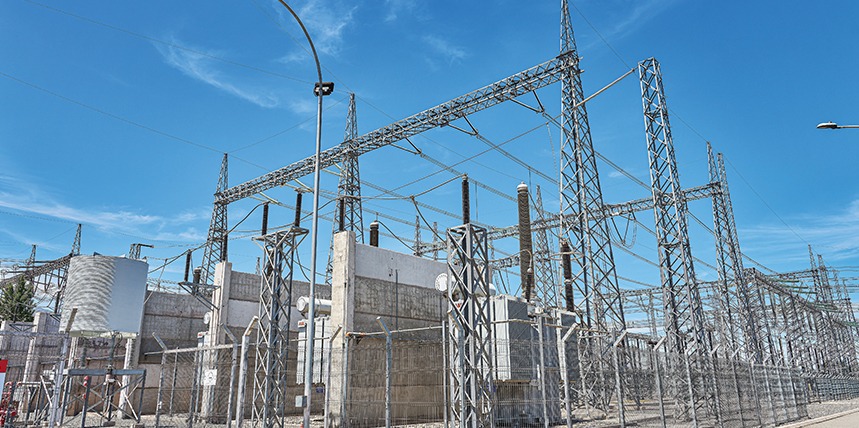
A high-voltage substation contains several specialized electrical and mechanical systems that work together to control, protect, transform, and distribute electrical power.
Understanding the function of each major component is important for designing, constructing, operating, and maintaining a reliable substation.
1. Power Transformer
The transformer changes electrical voltage from one level to another according to the requirements of the transmission or distribution network.
Transformers are among the most important and expensive assets in a substation, making proper installation, protection, testing, and maintenance essential.
2. Circuit Breaker
A circuit breaker is used to make or interrupt electrical circuits under normal conditions and, where designed for it, interrupt fault currents.
It works together with protection systems to isolate faulty sections of the electrical network.
3. Isolator
An isolator provides visible electrical isolation of equipment or sections of a circuit when they are not required to be energized.
It is generally operated under appropriate conditions and is not intended to interrupt fault current like a circuit breaker.
4. Current Transformer
A Current Transformer (CT) provides a reduced current signal for measurement and protection systems.
CTs are important for:
- Protection relays
- Metering
- Monitoring
- Fault detection
5. Voltage Transformer / Potential Transformer
VTs/PTs provide voltage signals suitable for measurement, protection, and control systems.
They allow high system voltages to be represented at levels suitable for connected instrumentation and protection equipment.
6. Surge Arrester
Surge arresters help protect electrical equipment from transient overvoltages, including those associated with lightning and switching events.
7. Busbar
Busbars provide common electrical connection points within the substation and allow different circuits and equipment to be interconnected according to the selected bus configuration.
8. Insulators
Insulators provide electrical insulation while mechanically supporting conductors and equipment.
They must withstand electrical and environmental stresses appropriate to the installation.
9. Protection Relays
Protection relays monitor electrical conditions and detect abnormal or fault conditions. When appropriate protection criteria are met, they initiate commands to isolate the affected part of the network.
10. Earthing System
The earthing system provides a controlled path for fault currents and supports personnel and equipment safety. It is a fundamental part of substation design and construction.
Conclusion
Every component in a high-voltage substation has a specific function. Proper engineering, installation, testing, protection, and maintenance of these components are essential for reliable power infrastructure.