
Introduction
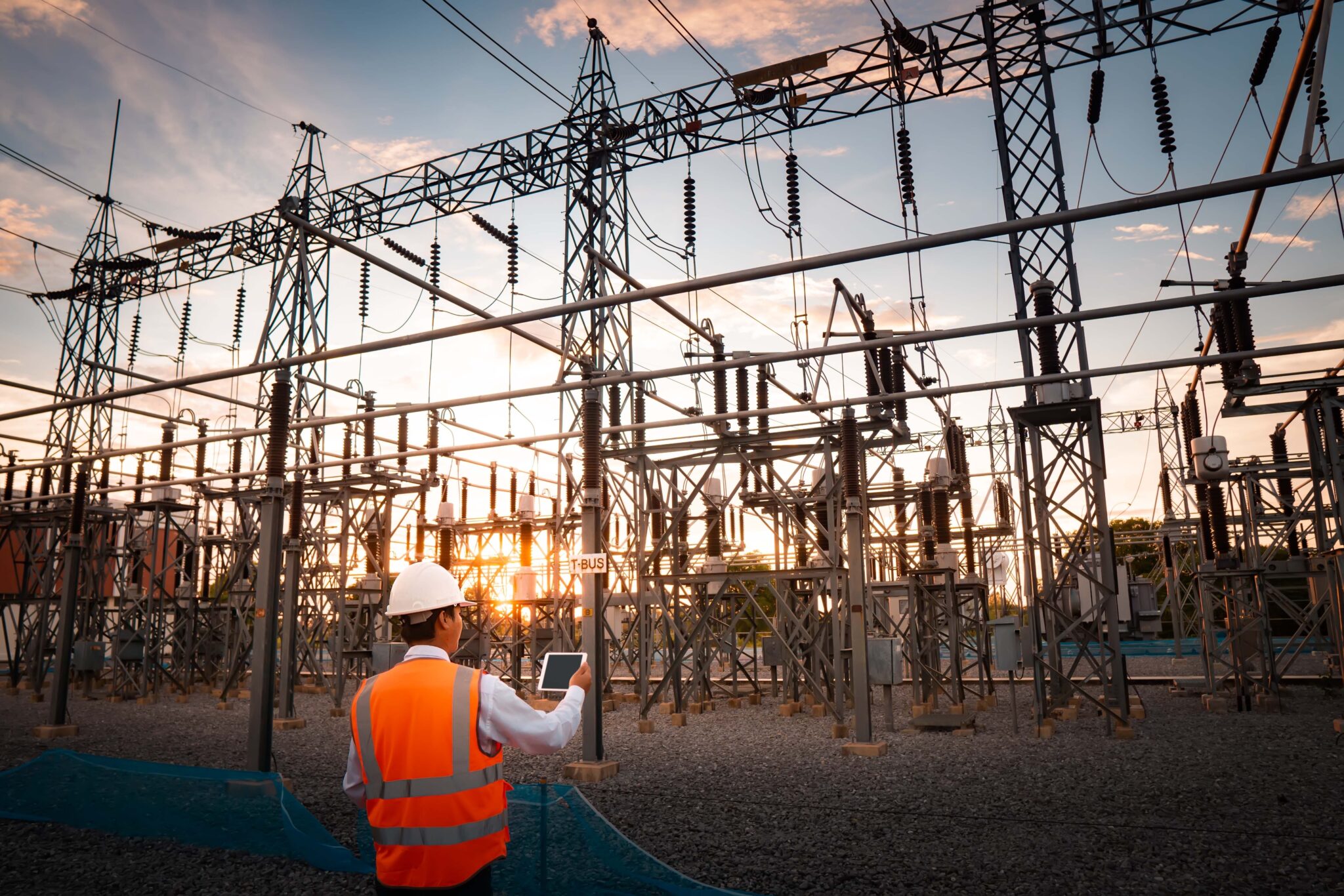
Substation construction is a complex process requiring coordination between civil engineering, electrical engineering, structural works, equipment installation, protection systems, testing, and commissioning.
A successful project depends on proper planning and coordination from the beginning.
Stage 1: Site Assessment & Planning
Before construction begins, the project team evaluates:
- Site conditions
- Accessibility
- Ground conditions
- Drainage requirements
- Equipment arrangement
- Electrical clearances
- Safety requirements
- Project specifications
Stage 2: Civil Construction
Civil works establish the physical foundation of the substation.
Typical activities include:
- Site grading
- Equipment foundations
- Transformer foundations
- Cable trenches
- Control room construction
- Internal roads
- Drainage
- Fencing
- Supporting structures
Stage 3: Structural Erection
Steel structures, gantries, equipment supports, busbar structures, and other supporting elements are erected according to approved drawings and project requirements.
Stage 4: Equipment Installation
Major electrical equipment is installed, which may include:
- Transformers
- Circuit breakers
- Isolators
- CTs
- VTs/PTs
- Surge arresters
- Busbars
- Panels
- Control equipment
Stage 5: Cable Installation
Power, control, and communication cables are routed through designated paths and terminated at the appropriate equipment and panels.
Proper identification, routing, termination, and testing are important for reliable operation.
Stage 6: Protection & Control
Protection relays, control panels, alarms, indications, interlocks, and associated systems are installed and integrated.
Stage 7: Earthing & Lightning Protection
The substation earthing network and lightning protection arrangements are completed according to the approved design and applicable requirements.
Stage 8: Testing & Commissioning
Equipment and systems are inspected and tested individually before integrated commissioning.
Stage 9: Handover
After successful commissioning, relevant documentation, test records, drawings, and project information are prepared for final handover.